How Companies Build Internal Talent Marketplaces
Organizations today are facing a major shift in how talent is managed and developed. Traditional career paths are becoming less rigid, employees are seeking more growth opportunities, and companies are competing for skilled professionals in an increasingly dynamic job market. In response, many organizations are building internal talent marketplaces to unlock the potential within their existing workforce.
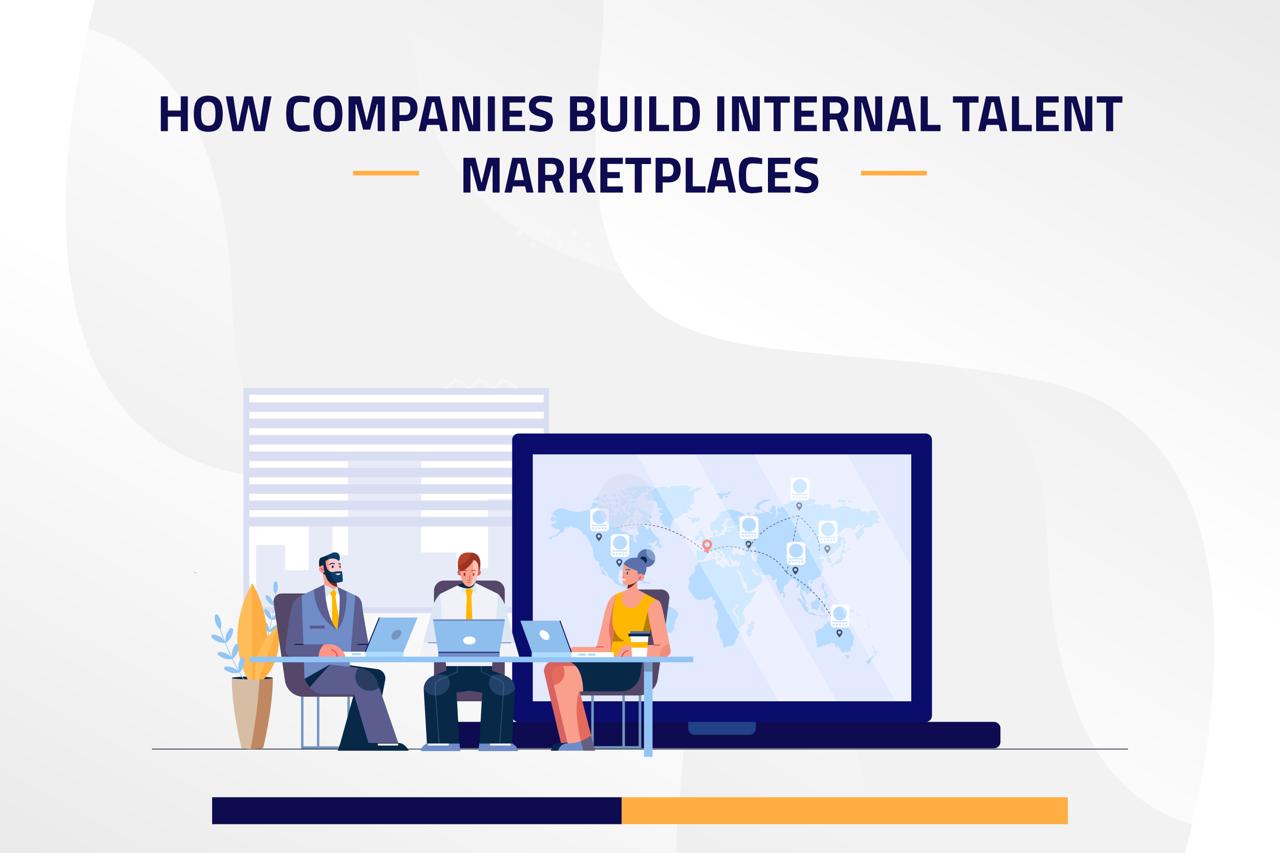
An internal talent marketplace is a digital platform that connects employees with projects, roles, mentorship opportunities, and learning pathways inside the organization. Instead of hiring externally for every new need, companies can tap into the skills already present within their workforce. This approach supports a stronger talent mobility strategy, improves retention, and enables organizations to adapt faster to changing business demands.
Understanding what is a talent marketplace and how internal mobility works helps organizations design systems that benefit both employees and the business.
Understanding the Internal Talent Marketplace
An internal talent marketplace functions similarly to a digital marketplace where employees can explore opportunities across the organization. These opportunities may include short-term projects, cross-functional collaborations, temporary assignments, or permanent roles.
The platform typically uses skills mobility platforms powered by data and artificial intelligence to match employees’ skills with available opportunities. Instead of relying solely on job titles or resumes, these systems analyze individual skill sets, experiences, and career interests.
For example, an employee working in marketing might possess data analysis skills that could be valuable for a product development project. A talent marketplace allows organizations to discover such hidden capabilities and deploy them effectively.
Why Companies Are Investing in Talent Marketplaces
The modern workforce values growth, learning, and flexibility. Employees increasingly want the opportunity to explore different roles and expand their skills without leaving the company.
Internal talent marketplaces address several critical workforce challenges:
1. Talent Retention
Employees are more likely to stay when they can see clear career pathways and opportunities within the organization.
2. Faster Skill Deployment
Companies can quickly identify employees who possess the skills needed for emerging projects.
3. Reduced Hiring Costs
Internal mobility reduces the need for constant external recruitment.
4. Workforce Agility
Organizations can move talent where it is needed most, allowing them to respond faster to market changes.
These benefits make talent marketplaces an essential component of a modern talent mobility strategy.
Building the Skills Foundation
The first step in creating an effective internal talent marketplace is building a comprehensive understanding of employee skills.
Many organizations begin by developing a skills taxonomy, which is a structured framework that defines the capabilities needed across the organization. Employees are encouraged to create detailed profiles that highlight their skills, experiences, certifications, and career interests.
Advanced skills mobility platforms use AI to analyze these profiles and identify patterns across the workforce. They may also infer additional skills based on past roles, projects, and learning activities.
This skills-based approach helps organizations move beyond rigid job titles and focus on what employees can actually do.
Creating Transparent Opportunities
A successful talent marketplace depends on visibility and accessibility. Employees must be able to easily discover opportunities within the organization.
Companies typically list various types of opportunities on the platform, including:
- Short-term project assignments
- Mentorship programs
- Internal job openings
- Cross-department collaborations
- Learning and development programs
This transparency allows employees to take greater control of their career development. Instead of waiting for promotions or manager recommendations, they can proactively pursue opportunities that match their interests and capabilities.
This is a key part of how internal mobility works in modern organizations.
Encouraging a Culture of Mobility
Technology alone cannot create an effective internal talent marketplace. Organizations must also cultivate a culture that encourages internal movement and skill development.
In many companies, managers hesitate to release high-performing employees to other teams. While understandable, this mindset can limit the success of internal mobility initiatives.
Leaders must communicate that talent development benefits the entire organization, not just individual departments. Encouraging employees to explore new roles or projects ultimately strengthens the company’s overall capabilities.
Organizations that succeed with internal marketplaces often reward managers who actively support talent mobility and employee growth.
Integrating Learning and Development
An effective talent mobility strategy is closely connected to learning and development. Employees should not only be matched with opportunities based on existing skills but also be guided toward building new capabilities.
Many skills mobility platforms recommend training programs, courses, or certifications that help employees qualify for future roles.
For example, an employee interested in transitioning into data analytics might receive recommendations for relevant learning modules, mentorship opportunities, and project assignments that build those skills.
By linking opportunity discovery with learning pathways, companies create a continuous cycle of skill development and career growth.
Using Data to Improve Talent Decisions
One of the biggest advantages of internal talent marketplaces is the ability to generate valuable workforce insights.
Organizations can track data such as:
- Emerging skill gaps
- Popular career pathways
- Internal mobility rates
- Employee engagement with learning programs
These insights help leaders make better workforce planning decisions. They can identify which skills are becoming critical, which departments require additional support, and where future talent investments should be focused.
Over time, the data generated by internal talent marketplaces becomes a powerful tool for shaping long-term workforce strategy.
The Future of Talent Mobility
As work becomes more project-based and skill-driven, internal mobility will continue to grow in importance. Companies that rely solely on traditional hiring models may struggle to keep pace with changing business demands.
By investing in skills mobility platforms and building strong internal talent marketplaces, organizations can unlock hidden talent, improve employee engagement, and create a more agile workforce.
Ultimately, the goal is not just to fill roles more efficiently, but to create an environment where employees can continuously grow, explore new opportunities, and contribute their skills in meaningful ways. When implemented effectively, internal talent marketplaces transform how companies think about talent, turning the workforce into a dynamic ecosystem of skills and potential.
